
Residential & Commercial Epoxy Specialists
Retail Store Epoxy Flooring in Wollongong for Shops, Showrooms and Boutiques
- Illawarra-Wide Coverage
- Fast, Free Quotes
Get a Free Quote
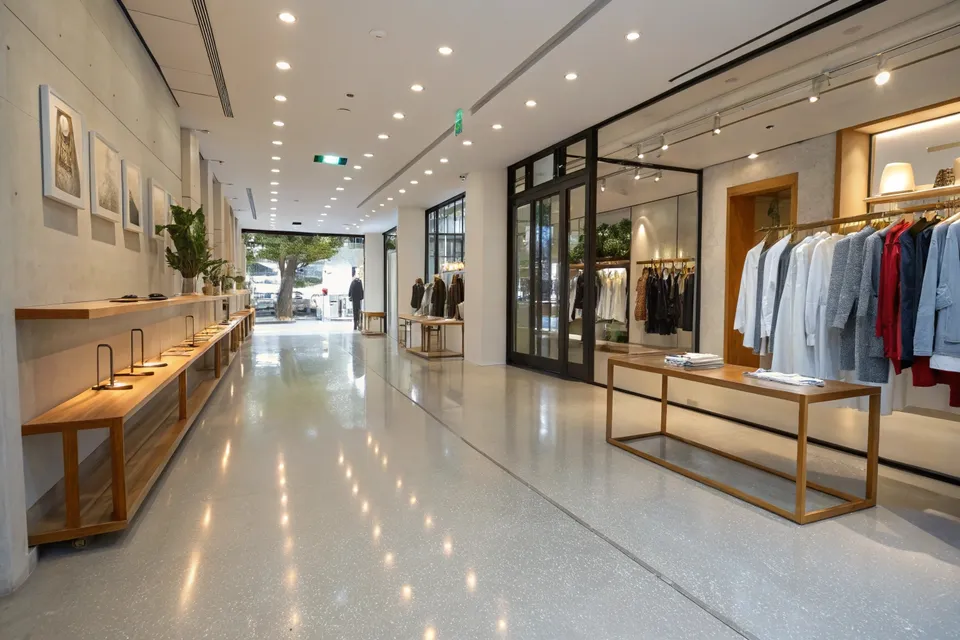
We provide retail store epoxy flooring in Wollongong for shopfronts, showrooms and sales floors.
Many store owners start thinking about a new floor during a refit or when they move into a new tenancy. Others have a floor that has become worn, damaged or slippery.
This page explains what to expect before you commit. It covers how an epoxy system is built up and why the concrete slab is checked first. It also covers how to choose slip resistance for your store.
You'll also find guidance on choosing a finish, planning work around your trading hours and looking after the floor once it's down.
When you're ready, get in touch to talk through your store's floor and the trading constraints you work within.
What a Retail Store Epoxy Flooring System Typically Involves
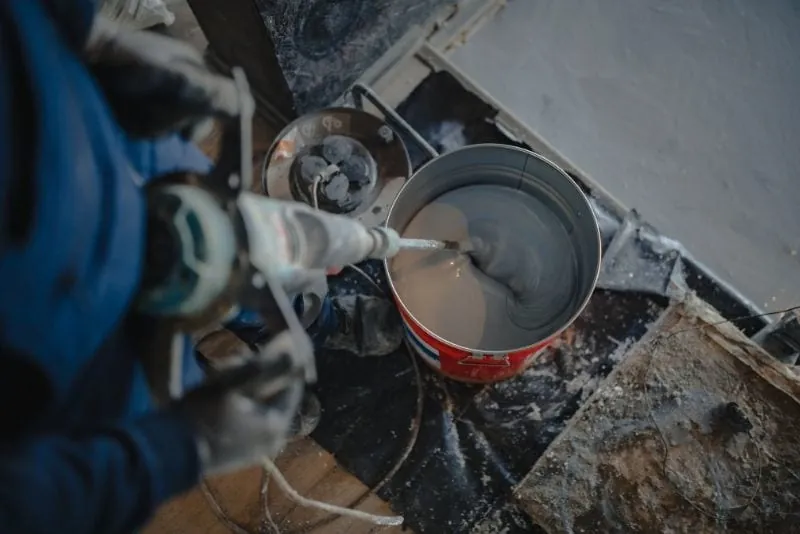
A professionally applied epoxy floor is a resin system built up in stages. It is not the same as a paint-on coating.
A retail epoxy floor system typically involves these steps:
- Surface preparation of the concrete, with crack or spall repair where needed.
- Checks of substrate moisture, air humidity and dew point before application.
- A primer applied as a continuous coat.
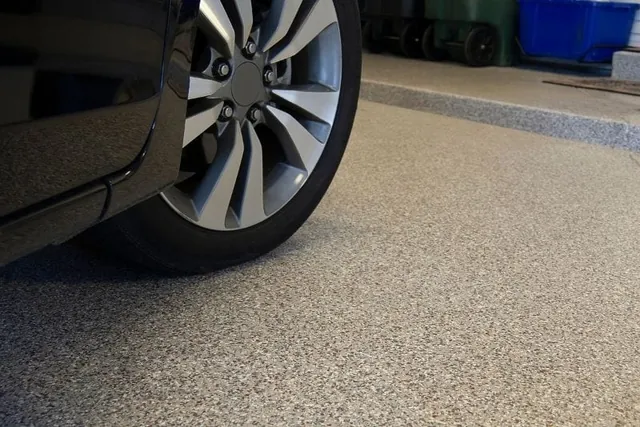
- Build or body coats, with optional aggregate broadcast into the surface for slip resistance.
The exact steps vary by product. Crack and spall repair follows the product supplier's guidance.
The system can be used for a new floor install or to convert an existing concrete floor. In both cases, each stage depends on the product being used.
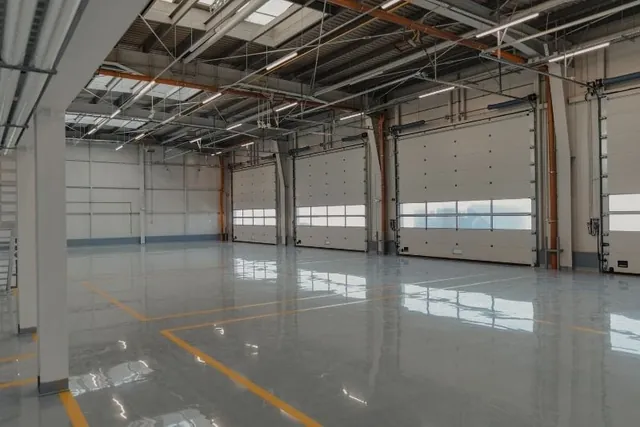
Checking the Concrete Slab Before Epoxy Goes Down
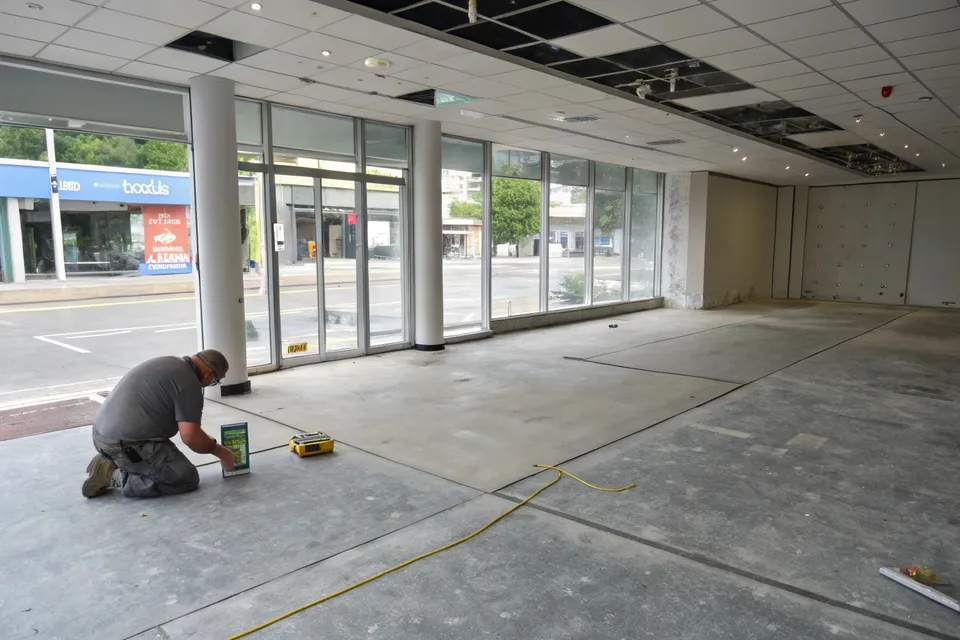
Before any epoxy is applied, the concrete slab needs to be checked. Manufacturer data sheets set out what to test before application. These checks usually cover:
- moisture in the concrete slab
- the relative humidity of the air
- the dew point, compared with the surface temperature
The acceptable limits are not the same for every product. Each product has its own moisture limit and dew-point margin, so the readings are checked against the data sheet for the system being used.
If the slab has higher moisture levels, a moisture-barrier system may be needed.
The slab is also checked for cracks, spalls and uneven areas that may need levelling.
Testing first helps protect the finished floor. It means the system is applied to a slab that suits the product.
Choosing Slip Resistance for Your Shop Floor and Wet Entrances
Slip resistance is one of the main decisions for a retail floor. It affects your customers and your staff.
Under work health and safety (WHS) duties, floors need to be designed, installed and maintained so work can be carried out without risk. SafeWork NSW's guide to preventing slips, trips and falls at work explains these duties and the standards that apply.
Understanding Slip Ratings
Two Australian Standards cover slip testing:
- AS 4586 applies to new pedestrian surfaces.
- AS 4663 applies to existing surfaces.
Results are shown as ratings. P ratings come from a pendulum test on a wet surface. R ratings come from a ramp test, where a person walks on a surface that is tilted until they lose grip. In both cases, a higher number means more slip resistance in that test.
Standards Australia's handbook HB 198 recommends slip ratings for different types of areas. These are recommendations, not mandatory levels.
A rating alone doesn't make a floor safe. Contamination, cleaning, footwear and slope all affect how slippery a floor is in daily use.
Grip at Wet Entrances
Wollongong has historically recorded high rainfall and frequent rain days, based on Bureau of Meteorology records from a station that closed in 2008. SafeWork NSW identifies rainwater tracked in at entrances as a contaminant that can make floors slippery.
For this reason, the entry zone of your store needs careful thought. Aggregate can be broadcast into the epoxy to add grip, and different aggregate options are available. The floor finish near your entrance should also be planned together with your entrance matting.
Where the store has ramps or steps, the National Construction Code (NCC) sets slip-resistance classifications for ramp surfaces and stair treads or nosings.
Balancing Gloss, Glare and Presentation in Your Retail Finish
The finish you choose affects how your store looks and how people move through it.
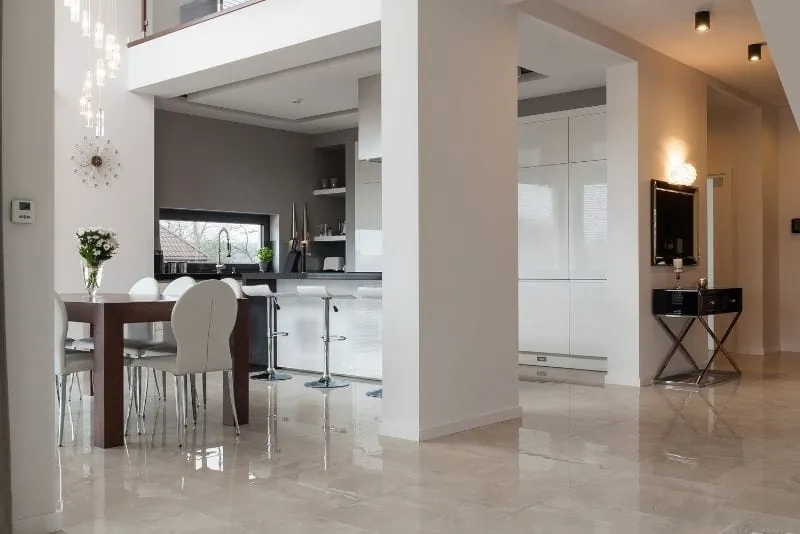
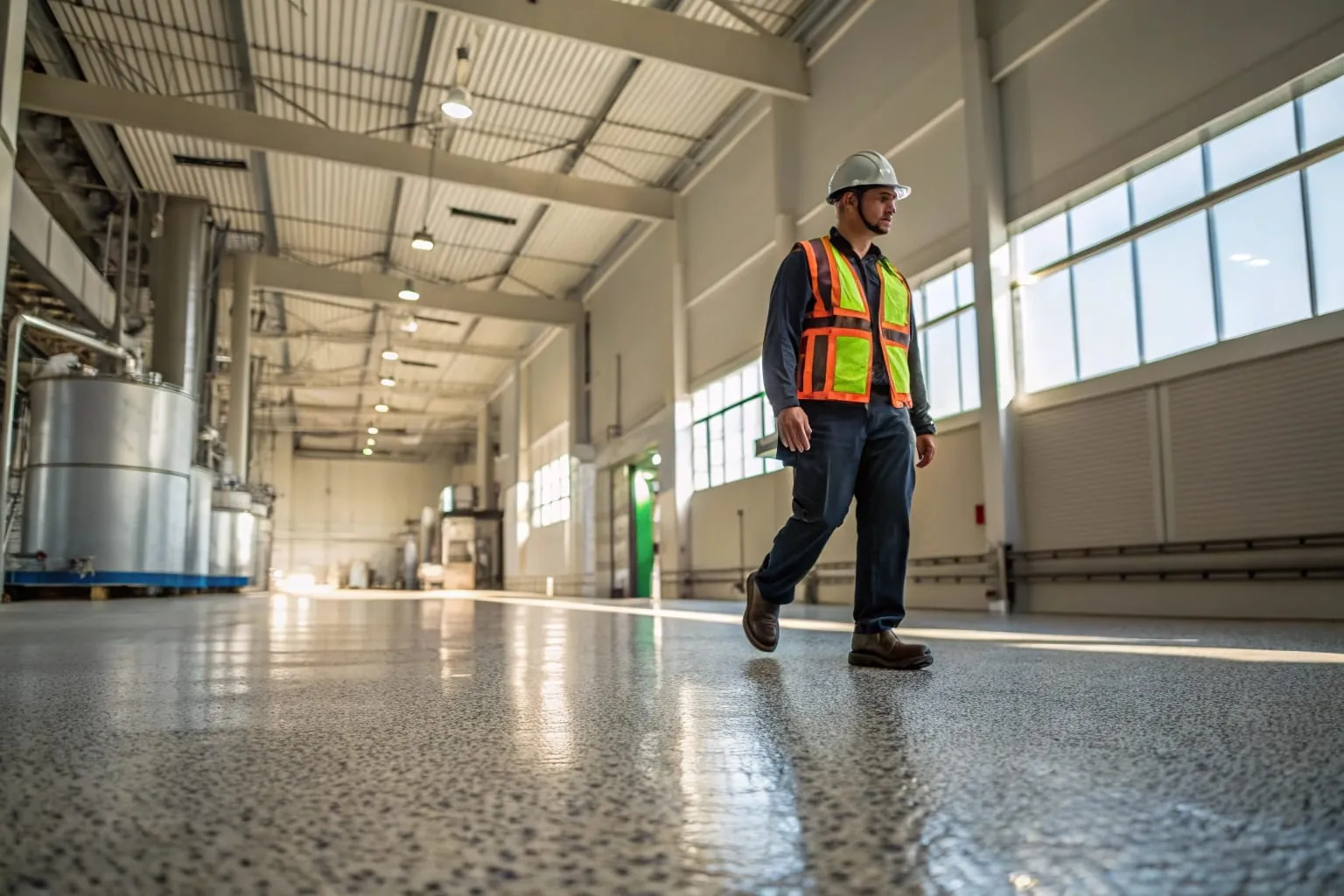
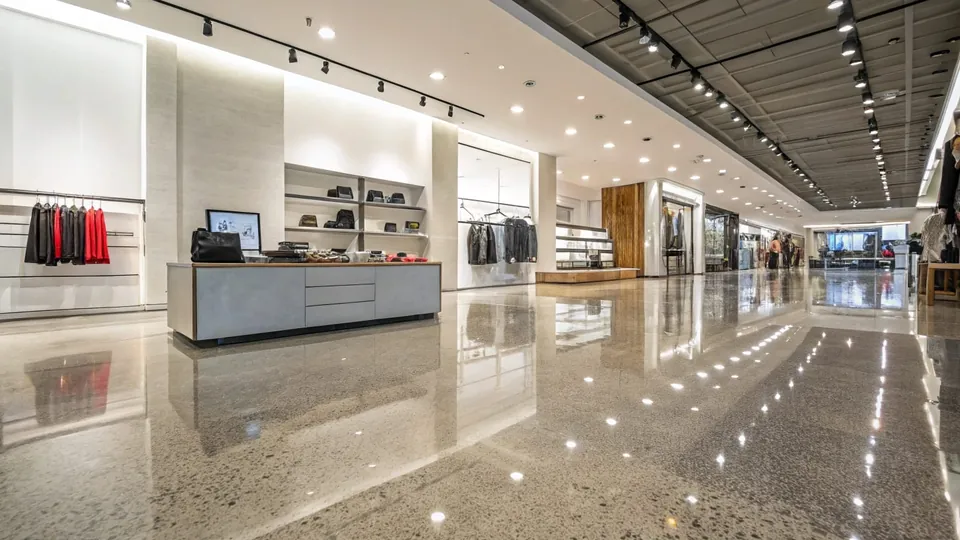
A gloss finish can suit showroom presentation. It gives the floor a polished look under display lighting. But reflective surfaces may create glare.
SafeWork NSW notes that glare can reduce people's ability to notice hazards. It lists matte finishes as one way to correct this. A lower gloss level may be worth discussing for busy walkways or areas under strong lighting.
Colour and finish can also support your branding. The floor can be chosen to work with your store's colours, fittings and overall look.
Decorative styles, such as metallic and flake epoxy floors, are covered on their own pages if you'd like to explore those options.
When choosing a gloss level, weigh how you want the floor to present against how glare could affect your customers and staff.
Planning Installation Around Your Trading Hours
For most store owners, the biggest concern is lost trading time. Planning the work early helps you see how the installation fits around your business.
Scheduling options such as after-hours, weekend or staged work may be discussed. What's possible depends on the site, the product and the conditions.
Cure and reopening times also vary depending on product and conditions. The time before your floor can take foot traffic again will depend on the system used for your store.
Fixtures and displays may need to be moved before work starts. It helps to plan for this when you're working out your timeline.
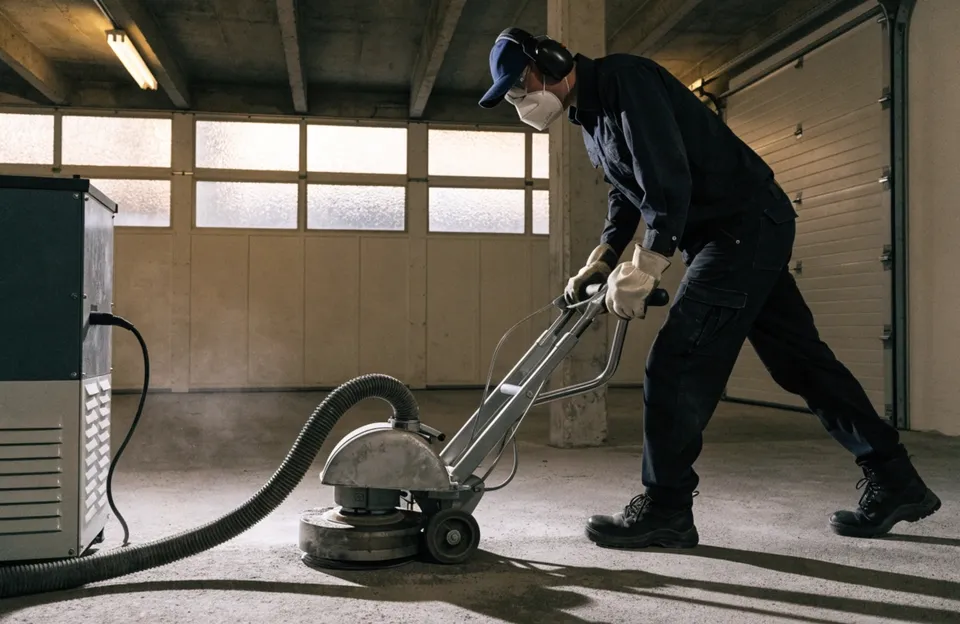
Surface preparation often involves grinding the concrete. Grinding creates dust, and silica controls apply. Dust controls and ventilation are needed when the premises is occupied or when neighbouring premises are nearby.
If your store is in a shopping centre, the centre's site rules may also apply. These can affect when and how work is carried out.
Keeping Your Epoxy Shop Floor Clean and Grippy
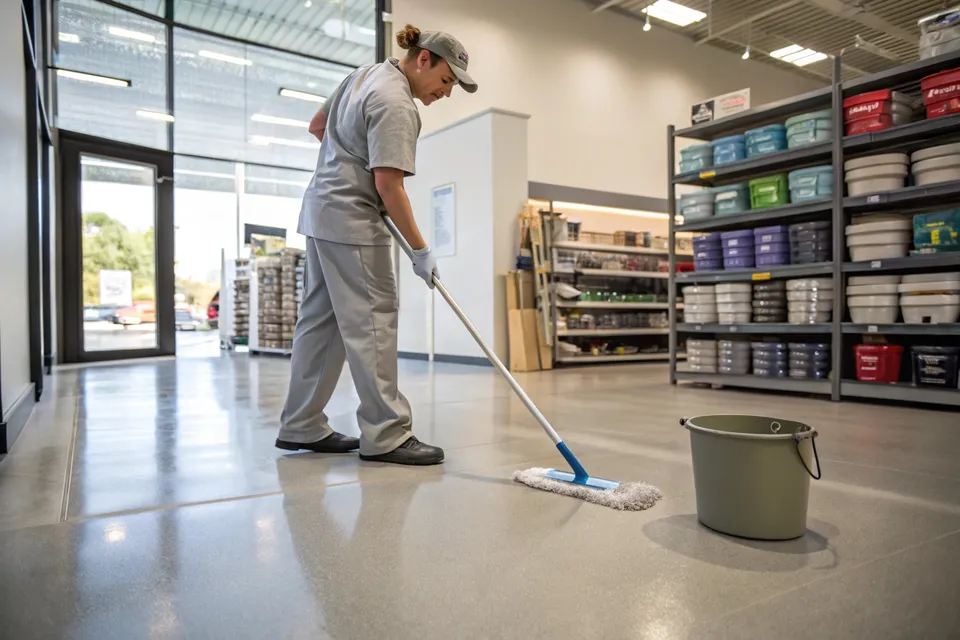
How your floor performs over time depends on how it's looked after. Grip depends on using the correct cleaning methods for the floor.
Before you commit, check that your store's cleaning staff or contractors can meet the floor's cleaning requirements. This includes the cleaning products and methods the floor needs.
Floors can lose grip over time through wear, damage or contamination. Regular care helps you spot these changes.
If a topical grip treatment is used, it may need reapplying.
Ongoing care is part of choosing an epoxy floor for your store. It's worth thinking about the upkeep before work begins, not after.
Frequently Asked Questions
Can epoxy go over an existing floor or old coating?
It depends on the existing surface and the condition of the slab underneath. After an assessment, old coatings, tiles or adhesive may need to be removed before the epoxy system is applied.
What affects the cost of a retail epoxy floor?
Several things affect the cost, including:
- the floor area and the fixtures in the space
- the existing surface
- the slab's condition and moisture level
- the slip-resistance specification
- the finish and the number of coats
- scheduling
- site access
Can part of a shop floor be repaired or recoated?
It may be possible. The aim is to match the grip of the surrounding floor. A change in grip that people don't notice increases the risk of slips.
Does a store with a ramp or steps need a particular slip classification?
Where the store has ramps or steps, the National Construction Code (NCC) sets slip-resistance classifications for ramp surfaces and stair treads or nosings. These are tested to AS 4586. This applies only where your store has these features.
Is the landlord or the tenant responsible for the shop floor?
Property owners are often responsible for fixtures such as flooring. Check your lease to clarify who is responsible for the floor in your store.