
Concrete Overlays & Toppings in Wollongong for Renewing Sound Existing Concrete
- Illawarra-Wide Coverage
- Fast, Free Quotes
Get a Free Quote
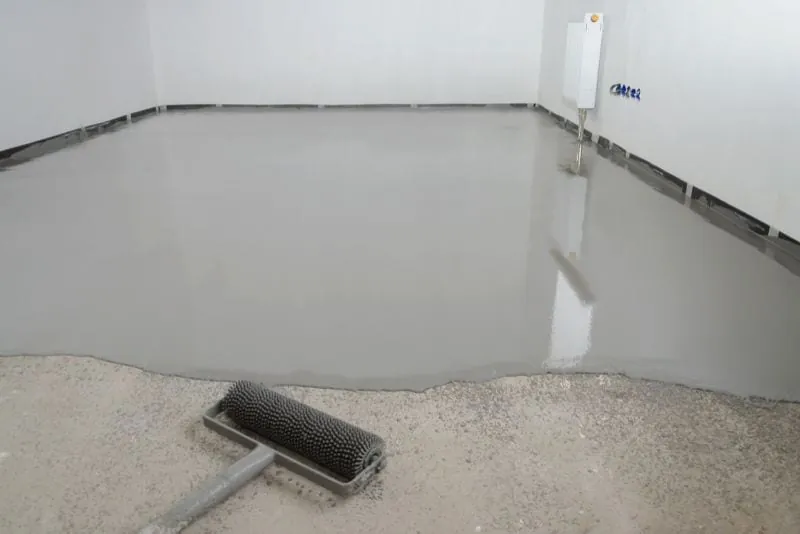
Is your concrete looking worn, stained, scaled or dated? Concrete overlays & toppings in Wollongong give you a way to renew it without tearing it out and replacing it.
An overlay is a thin cement-based layer bonded over the concrete you already have. It is designed for concrete that is still sound underneath, so the slab stays in place while the surface is renewed.
On this page, we explain which concrete suits an overlay and how the surface is prepared. We also cover system and finish options, plus how weather and council rules can affect your project.
When you're ready, contact us to arrange a substrate assessment and quote. The assessment helps decide whether an overlay is right for your concrete.
What Concrete Overlays and Toppings Are and Where They're Used
A concrete overlay is a polymer-modified cementitious layer. In plain terms, it's a cement-based material with added polymers, bonded over existing concrete.
Overlays and toppings can be used to:
- renew the look of tired or dated concrete
- level an uneven surface
- create falls so water drains away
- provide a flat base for selected finishes
Common surfaces include driveways, paths, alfresco areas and interior floors.
An overlay is not the same as an epoxy coating, polished concrete or a new concrete pour. It is a cement-based layer added on top of the concrete you already have. Concrete overlays and toppings are one of our flooring contractor services.
Overlays Suit Structurally Sound, Non-Moving Concrete
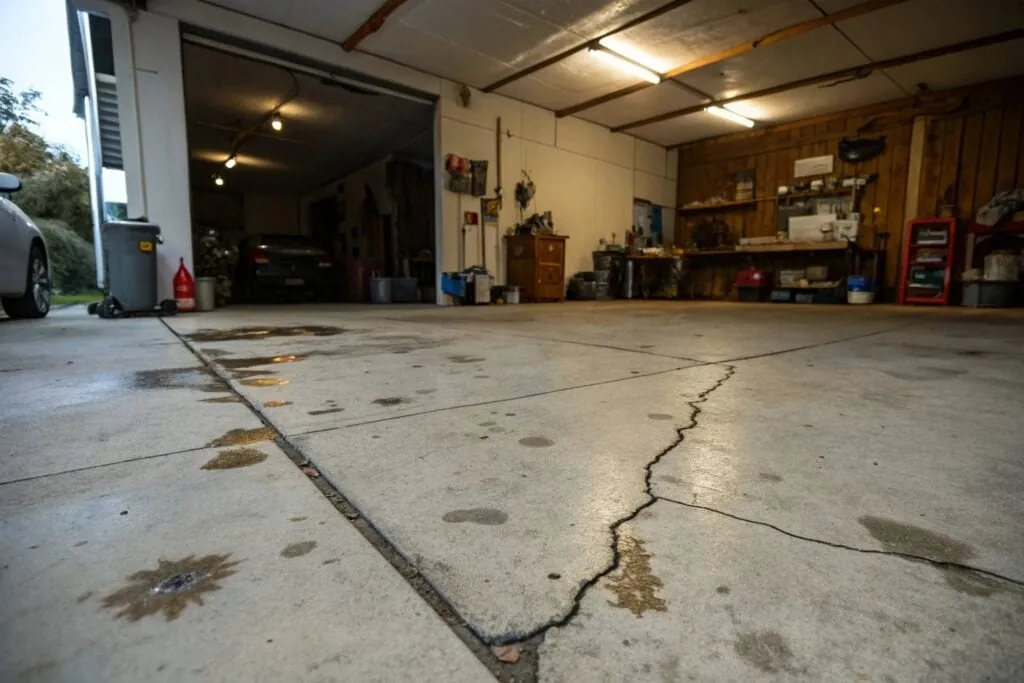
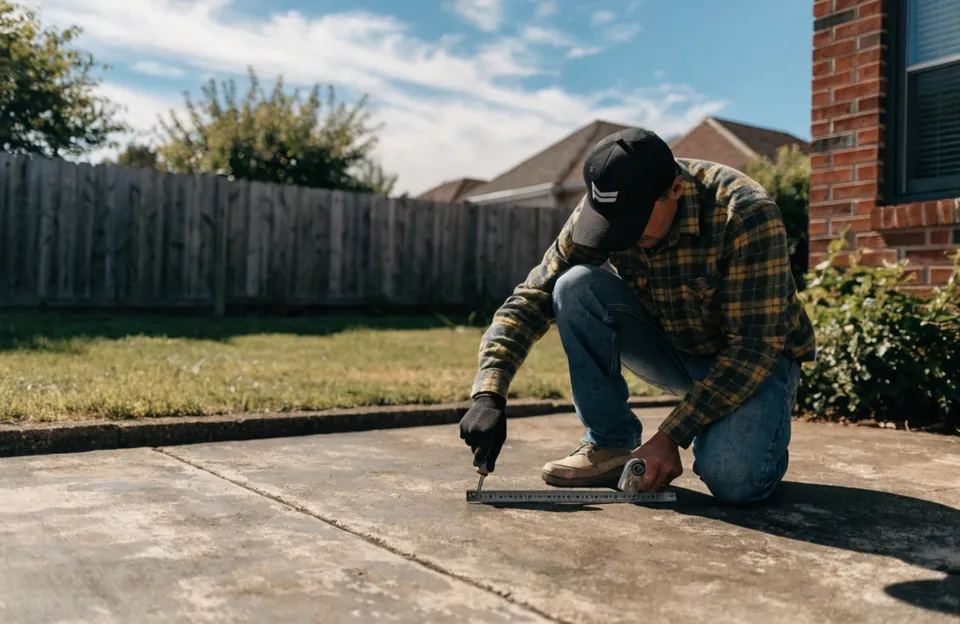
A concrete overlay can be a good idea for renewing worn or dated concrete, as long as the concrete is structurally sound and non-moving. It is not suited to failed, moving or unstable slabs. Results depend heavily on proper surface preparation and on how cracks and joints are treated. A substrate assessment determines whether an overlay suits your concrete.
Manufacturers formulate overlays for concrete that is sound and stable. The overlay renews the surface, but it relies on the slab underneath to stay put.
If a slab has failed, is moving or is unstable, an overlay is not the right fix. Structural repair and replacement are separate services.
That's why the substrate is inspected before any work begins. The assessment looks at the condition of your existing concrete and decides whether it is suitable for an overlay.
Surface Preparation and Crack Treatment Largely Determine How an Overlay Performs
Most of the work that decides how an overlay performs happens before it goes down.
Profiling the surface
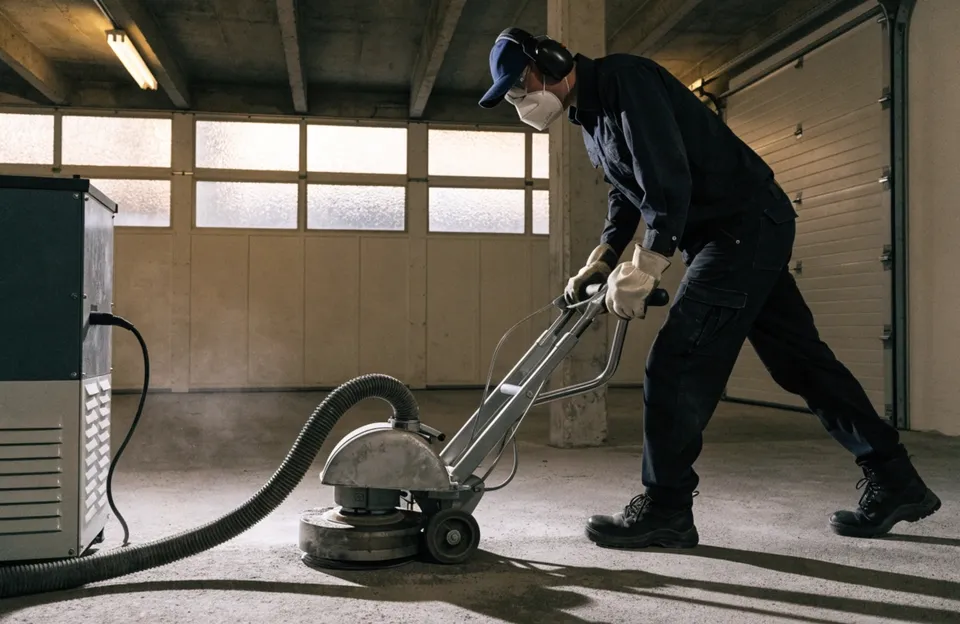
The existing concrete is mechanically profiled to give the overlay something to grip. The target texture is set using the ICRI Concrete Surface Profile (CSP) scale. The required profile varies by system, so it follows the manufacturer's specification for the product being used.
Removing contaminants
Anything that can stop the overlay from bonding needs to come off first. This includes existing sealers and curing compounds. Some manufacturers exclude acid etching as a cleaning method for their systems.
Treating cracks and joints
Cracks and joints need the right treatment, or problems can show through the new surface:
- Filling dormant cracks helps reduce the chance of them showing through the overlay. If movement occurs, cracks may reappear.
- Moving cracks should not be bridged with the overlay.
- Movement and control joints are carried through the topping rather than covered over.
Dust from grinding
Grinding concrete creates dust that can contain crystalline silica. In NSW, this work falls under state work health and safety rules for processing materials that contain crystalline silica.
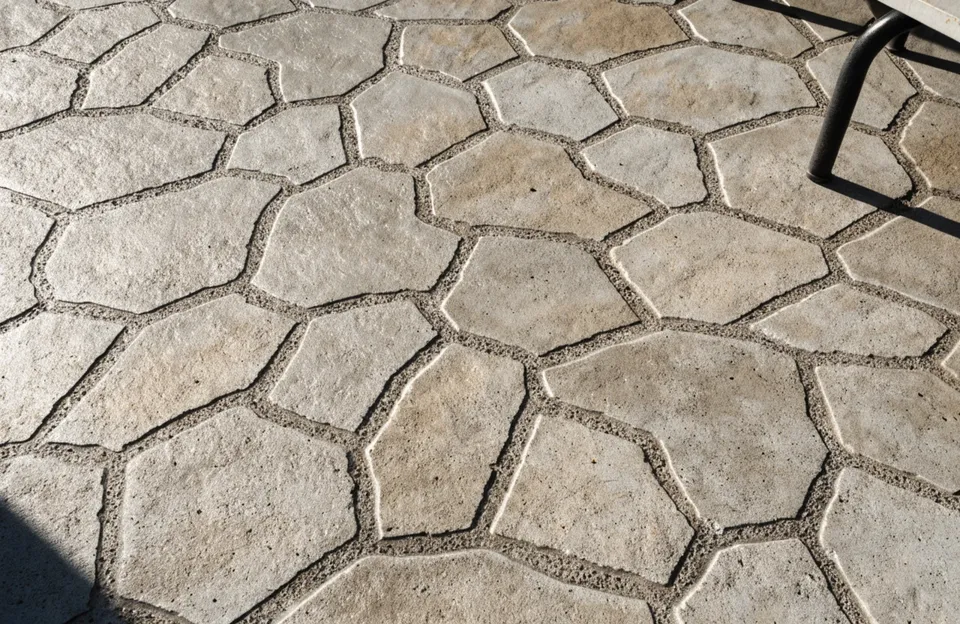
Overlay Systems, Thicknesses and Finish Options
There are several types of overlay system. Each one is applied differently and suits different jobs.
System types include:
- Spray-applied decorative overlays, sprayed onto the prepared surface
- Stamp or stencil grade overlays, used to create patterns
- Trowel or squeegee resurfacers, spread across the surface by hand
- Self-levelling or bonded toppings, used where the surface needs levelling
Thickness depends on the system. Some are applied as thin layers, while levelling toppings are built up thicker. Each manufacturer sets the thickness range for its own products, so there isn't one standard figure for every overlay.
Finish options can include colour, texture and pattern, where the chosen system allows. The system you use will shape which looks are available.
Many systems include a protective sealer as the final stage.
Outdoor Overlay Work in Wollongong Depends on Suitable Weather Windows
Bureau of Meteorology records show Wollongong has frequent rain days. For outdoor overlay work, that means the weather plays a big part in planning.
Manufacturers restrict application when rain is imminent or expected. Overlays also shouldn't be applied over standing water.
Once the overlay is down, the fresh material needs protection while it cures. This includes protection from rain, sun, wind and frost.
Because of this, scheduling may shift to suit the conditions. If the forecast isn't right, your outdoor project may need to move to a better weather window.
Council and Slip-Resistance Points to Check for Driveways, Steps and Ramps
If your project includes a driveway, steps or ramps, there are a few rules worth checking first.
Driveway crossovers
Wollongong Council sets finish rules for driveway crossovers within the road reserve. The crossover is the section of driveway between your property boundary and the kerb. Under the City of Wollongong driveway guidelines, crossover finishes must:
- meet slip resistance to AS/NZS 4586:2013
- be plain concrete or rough exposed aggregate only
- have no sealers or other coatings
This council guidance is framed around building or replacing driveways. If you're thinking of extending an overlay to the kerb, confirm with council first.
Stairways, ramps and landings
The National Construction Code (NCC) sets slip-resistance requirements that reference AS 4586. These apply to specific elements, such as stairways and certain ramps and landings.
Frequently Asked Questions
What's the difference between a concrete overlay and concrete resurfacing?
The two terms are commonly used for closely related work. Both describe applying a cement-based layer over existing concrete to renew it. The term "topping" is often used where the layer is there to level the surface.
Can an overlay go over exposed aggregate concrete?
It can in some cases. One Australian system states it can be applied over exposed aggregate or pebble finishes. Suitability still depends on the specific system and on the slab being sound.
How long does a concrete overlay last?
It depends on several factors, including:
- how sound the existing concrete is
- how well the surface was prepared
- whether cracks in the slab move
- the type of system used
- how the sealer is maintained
How soon can I walk or drive on a new overlay?
Timing varies by system and curing conditions. Contact us to discuss timing for your project.
What affects the cost of a concrete overlay?
Several things can affect the cost, including:
- how much surface preparation is needed
- crack and joint treatment
- the system type and thickness
- how complex the decorative finish is
- the sealer system
- moisture mitigation for interior slabs, where needed
- the size of the area and ease of access
- whether council-controlled crossover sections are involved
Does an overlay need resealing over time?
Many systems include a protective sealer. Depending on the system, resealing later on may form part of ongoing care.