
Residential & Commercial Epoxy Specialists
Converting Old Floors to Epoxy Systems in Wollongong
- Illawarra-Wide Coverage
- Fast, Free Quotes
Get a Free Quote
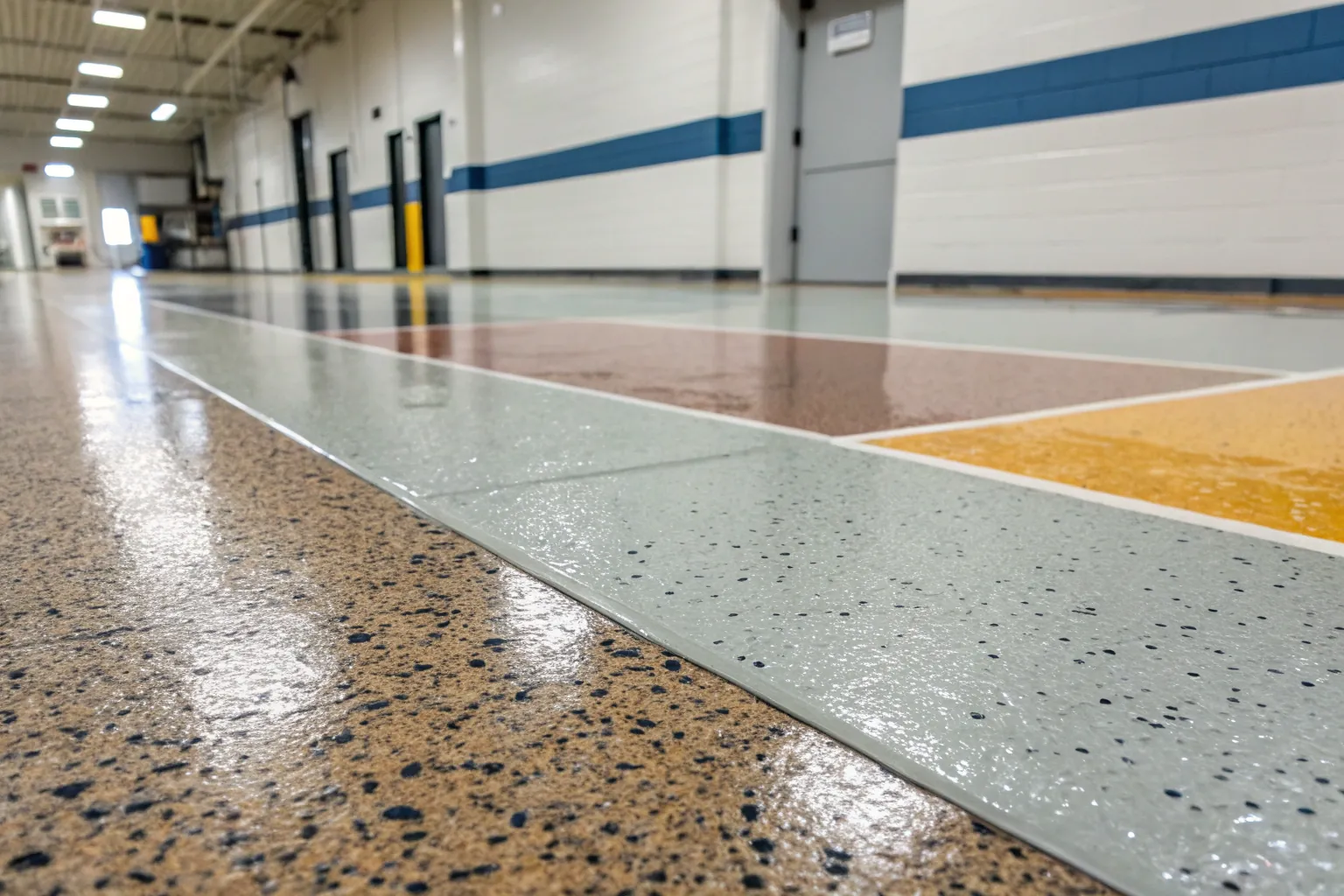
Is your floor worn, stained or starting to look dated? Converting old floors to epoxy in Wollongong homes and properties can be an alternative to full demolition.
Existing concrete, tiles or old coatings may be suitable for an epoxy system. It depends on the condition of the floor. Converting old floors to epoxy is part of our floor refinishing service.
This page explains which floors may suit a conversion and how the surface is prepared. It also covers the conditions checked before coating, asbestos checks in older homes, and dust and fume safety.
If you're thinking about converting your floor, the first step is a floor assessment. Contact us to arrange an assessment and quote.
Old Concrete, Tiles and Existing Coatings That May Suit an Epoxy Conversion
Converting an old floor to epoxy means applying a new epoxy system over the floor you already have. The main candidates are:
- old concrete floors;
- existing tiled floors;
- floors with a previous coating, including old epoxy.
The type of floor is only part of the picture. Whether your floor may be suitable depends on its condition.
Tiled floors may require some work before coating. Grout lines may need to be filled, and loose or damaged tiles may need to be repaired first.
Once the floor is ready, the epoxy system is built up in layers. Depending on performance requirements, this can include a primer, a body coat, a decorative coat and a topcoat.
You can also choose a finish, such as flake, metallic or quartz. The finish you choose is part of planning the system for your floor.
In many cases, an old floor can be converted rather than replaced. A floor assessment is the way to confirm whether yours may be suitable.
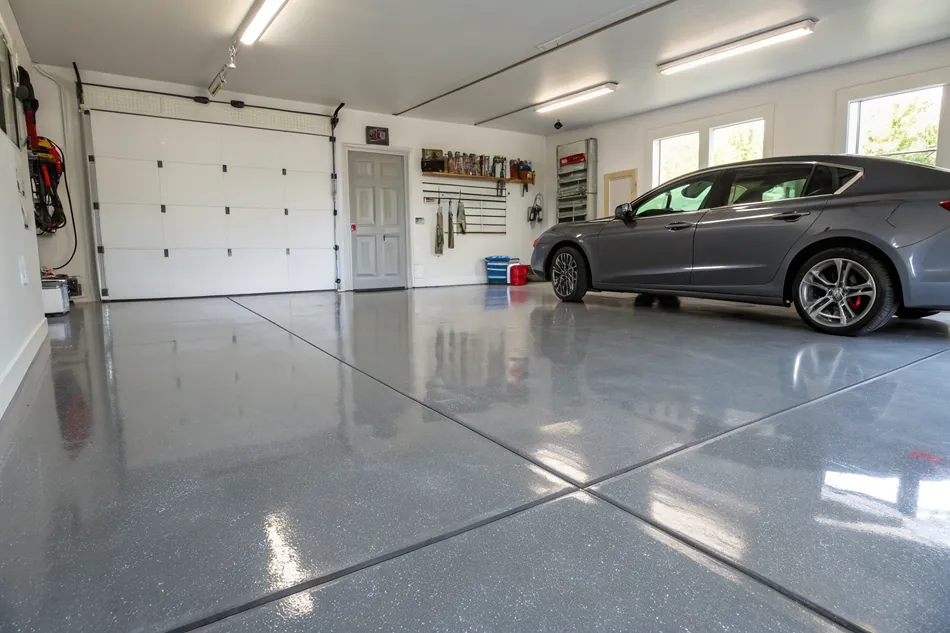
A Floor Condition Assessment Determines Suitability and Shapes Your Quote
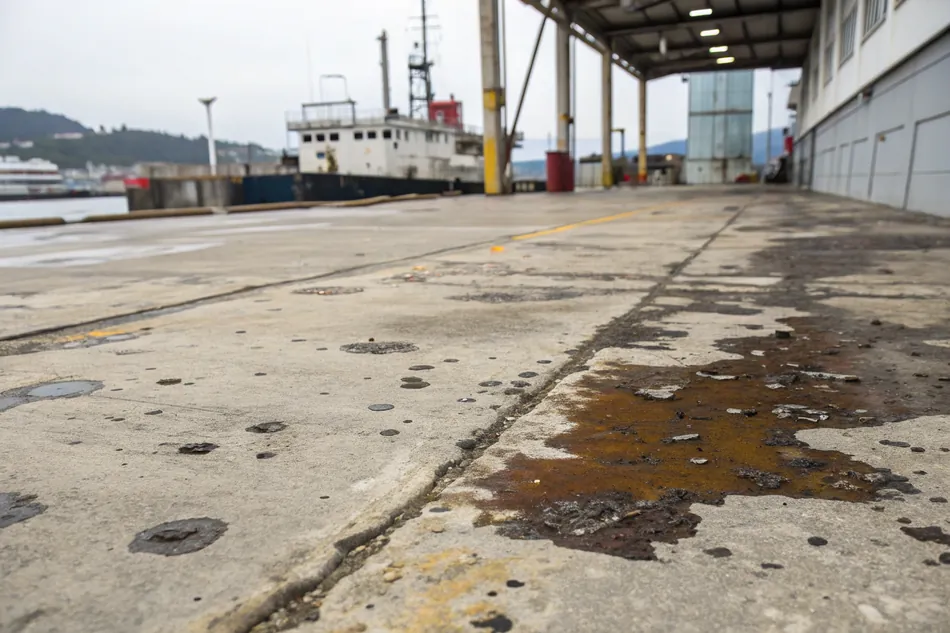
Before any work starts, the floor is assessed. This shows whether a conversion may be suitable and what work may be required.
The assessment looks at:
- loose or hollow tiles;
- cracks;
- contamination on the surface;
- old coatings;
- moisture.
What we find helps decide how much preparation and repair your floor may require. That, in turn, shapes your quote.
Several things can affect the cost of a conversion:
- the size of the floor area;
- the existing surface type;
- removal of unsuitable coverings;
- repairs;
- grout filling;
- moisture mitigation;
- the system and finish you choose;
- access to the area;
- clearing furniture from the space.
Older slabs can require more preparation than new ones. Labour is also a large share of the cost. This is why quotes can vary from one floor to the next.
An assessment comes first, so your quote reflects the actual condition of your floor.
Surface Preparation Is the Foundation of a Lasting Epoxy Conversion
Preparation largely determines how an epoxy conversion turns out. The coating relies on a clean, sound surface underneath it.
Here's how an old floor is typically prepared for epoxy, depending on floor condition:
- Assess the floor. Check for loose tiles, cracks, contamination and moisture.
- Clean and remove contaminants. Remove oils, grease, laitance, efflorescence and dust, along with any unsuitable coverings or films.
- Grind the surface. Mechanical preparation creates a sound, clean surface for coating.
- Repair cracks and damage. These are fixed before priming.
- Check conditions. Moisture, humidity and dew point are checked before the primer goes on.
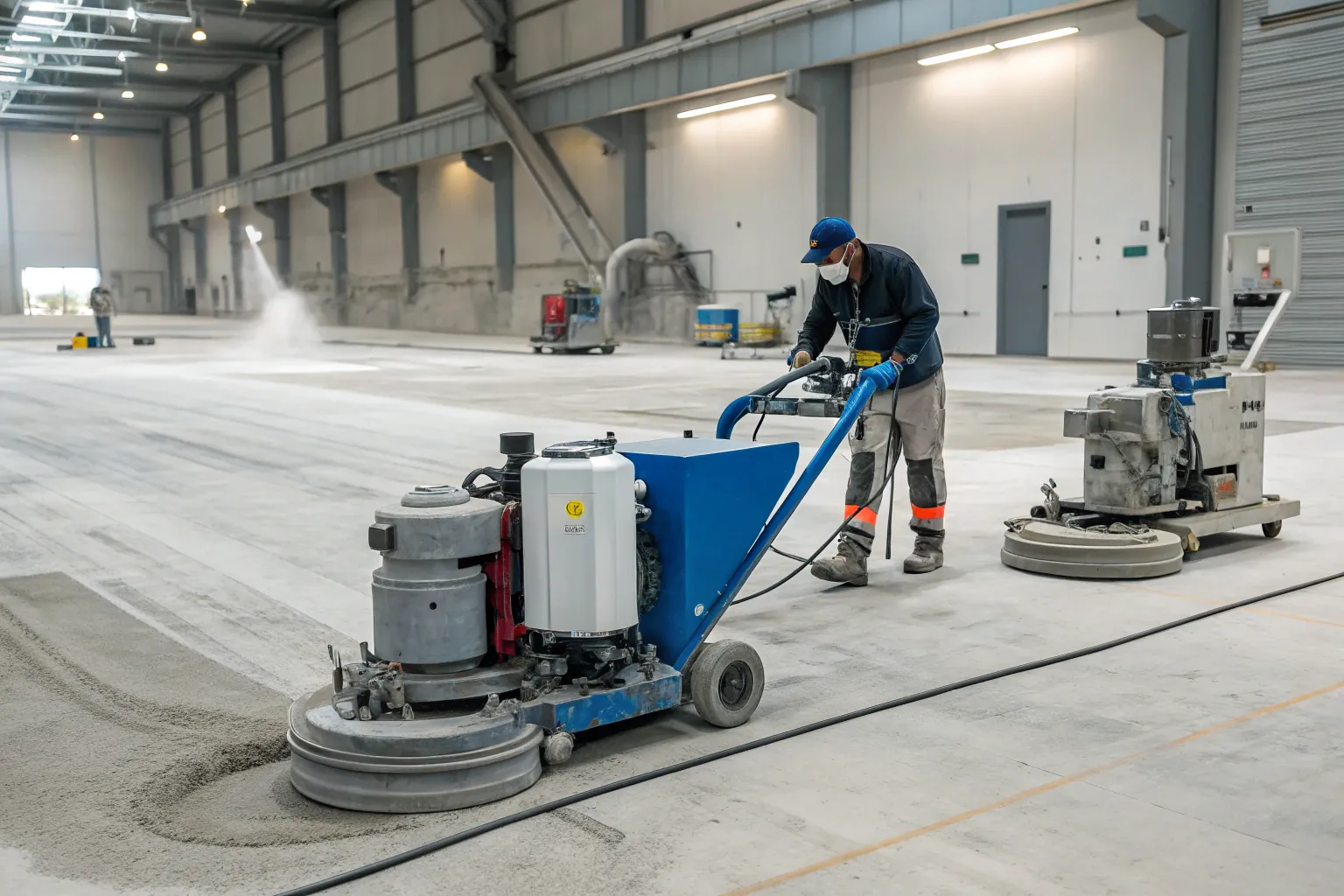
Existing paint films or coatings are generally dealt with by removal or mechanical preparation. The approach follows the manufacturer's guidance for the system being used.
An old or failed epoxy floor can sometimes be recoated. Whether this works depends on how the existing surface is prepared. The same steps apply: the old coating is checked, cleaned and mechanically prepared, and any damage is repaired before the new system goes on.
Moisture, Humidity and Dew Point Are Checked Before Coating
The conditions on the day matter as much as the floor itself. That's why several checks are made before any coating goes on.
First, the moisture in the concrete is checked. Each epoxy product has its own moisture limit set by the manufacturer. The limit that applies depends on the product being used.
On the day of application, these conditions are also confirmed:
- ambient humidity;
- dew point;
- slab temperature.
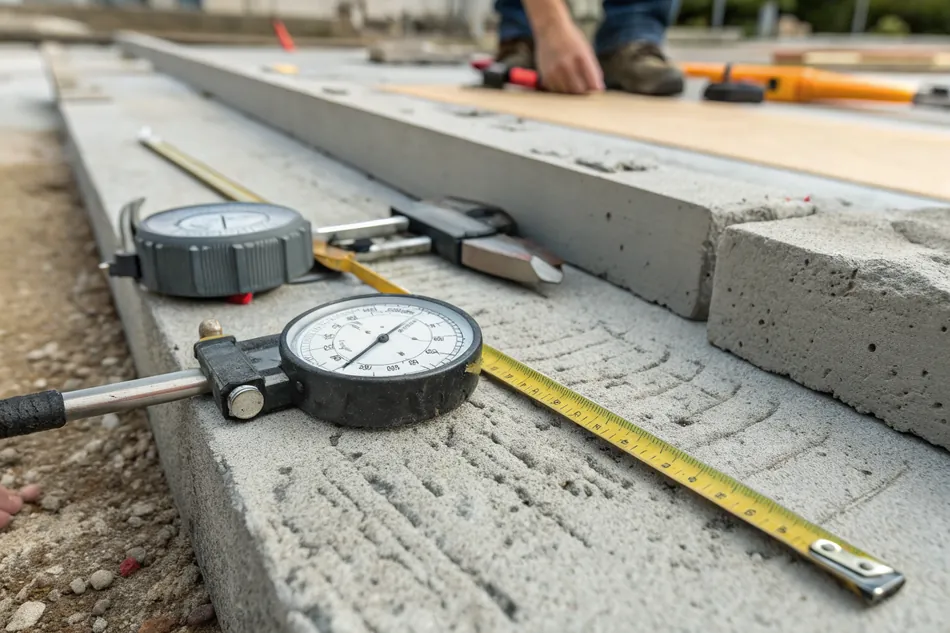
Poor conditions can increase the risk of problems. These include condensation, adhesion failure, and blushing or blooming on the surface.
In Wollongong, long-term humidity averages recorded by the Bureau of Meteorology sit below typical manufacturer maximums. These records come from the Wollongong University weather station, which closed in 2008, so they give long-term context only. Conditions can still change from day to day, which is why the checks happen on the day.
This means the timing of your project may depend on the conditions. If they aren't right on the day, the work may need to wait until they are.
Older Wollongong Homes May Have Asbestos in Old Vinyl Flooring
If your home was built before 1990, check the old flooring before any work begins. Wollongong City Council advises that homes built before 1990 have a good chance of containing asbestos, including in vinyl tiling.
Old vinyl flooring or its backing may contain asbestos. It should be checked before it is lifted or ground. The NSW Government has official guidance on vinyl floor tiles, coverings and asbestos that you can read before work starts.
If you suspect a material contains asbestos, treat it as asbestos. Engage a licensed professional to deal with it.
NSW rules limit how much bonded asbestos a homeowner can remove, with councils citing SafeWork NSW's framework of up to 10 square metres. Larger areas require a licensed removalist.
It also helps to plan for disposal. Asbestos materials are not accepted at Whytes Gully. They go to licensed facilities outside the city, which may affect your planning and costs.
Checking for asbestos first means any old vinyl can be dealt with properly before your floor conversion goes ahead.
Dust and Fume Safety Matters During an Epoxy Floor Conversion
Preparing and coating an old floor involves some health risks. Knowing what they are helps you understand what to expect on site.
Grinding concrete can generate respirable crystalline silica dust. Under NSW work health and safety rules, grinding is covered as a form of "processing". The current NSW code of practice for silica commenced on 20 February 2026.
Epoxy itself also needs care during application. Uncured epoxy components may cause skin sensitisation with prolonged or repeated contact.
Controls that reduce skin contact and the breathing in of dust or fumes are recommended. With the right controls in place, these risks are managed during the work.
Frequently Asked Questions
Can I convert an old floor to epoxy myself?
It helps to know what the work involves before you decide. A conversion typically includes surface preparation, grinding and moisture checks. Grinding concrete can generate silica dust, and uncured epoxy may cause skin sensitisation with prolonged or repeated contact. These safety factors call for the right controls during the work.
What are the downsides of an epoxy floor conversion?
Results depend on preparation and the conditions on the day, as covered in the sections above. Epoxy may discolour over time in direct sunlight. It is also not designed for negative-side waterproofing.
Will an epoxy floor discolour in a sunny garage?
Epoxy may discolour over time under direct sunlight. Manufacturer guidance positions epoxy for interior floors. A UV-resistant topcoat may be something to discuss as part of your system.
Is an epoxy floor completely waterproof?
An epoxy coating is not designed for negative-side waterproofing, where moisture comes through from the other side of the slab. Waterproofing membranes are a separate trade.
Do I need strata approval to convert my unit's floor to epoxy?
In NSW, changes to hard flooring are treated as a minor renovation under strata rules. It is not confirmed whether an epoxy coating falls into this category. Check your by-laws with your strata manager before booking.
What finish options are available when converting an old floor?
Finish options include flake, metallic and quartz decorative systems, each with a topcoat. The finish you choose may affect the scope of the work and your quote.