
Residential & Commercial Epoxy Specialists
Epoxy Floor Recoating in Wollongong for Existing Epoxy Floors
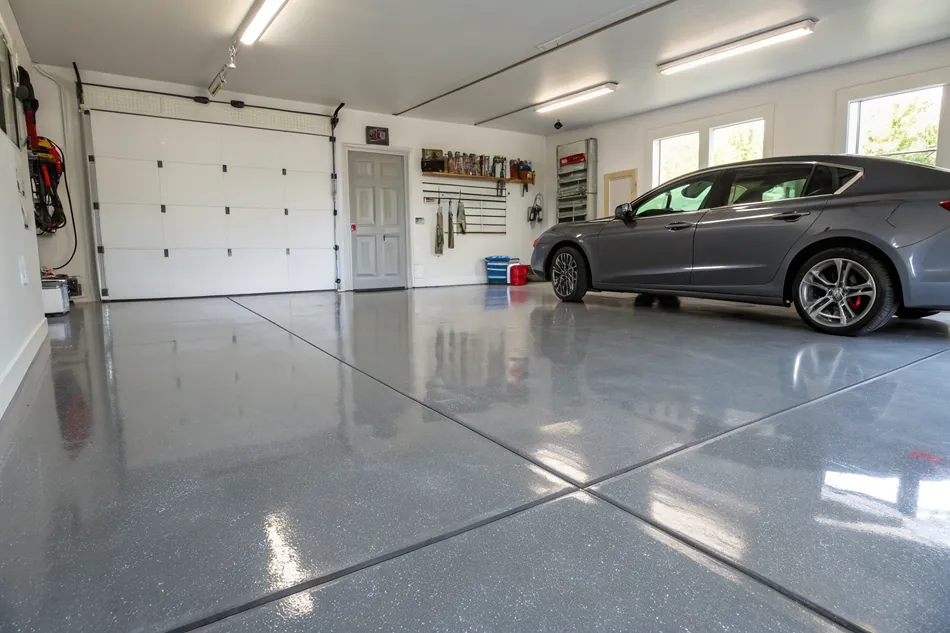
Is your epoxy floor looking worn, dull, faded or yellowed? Epoxy floor recoating in Wollongong may be an option. Where the existing coating is still sound, a recoat may restore its appearance and protection without stripping the floor back to concrete.
- Illawarra-Wide Coverage
- Fast, Free Quotes
Get a Free Quote
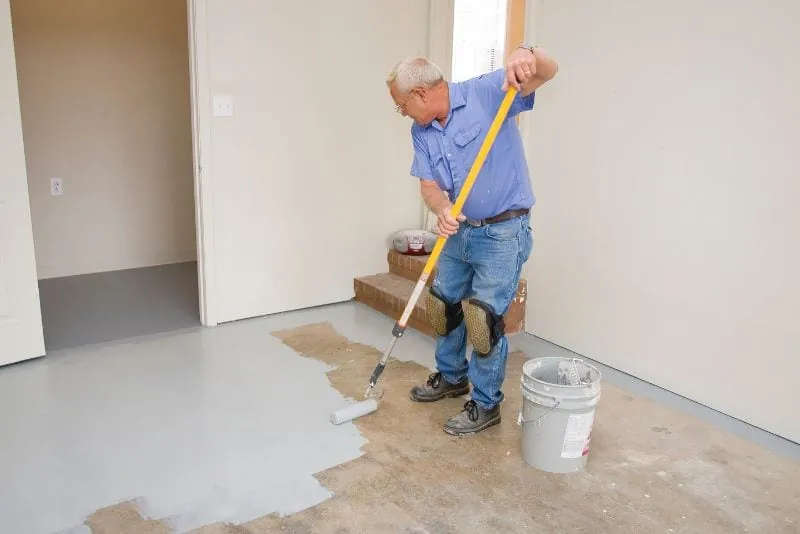
Not every floor can be recoated. On this page, we explain which floors may be suitable, how the surface is prepared, how Wollongong's weather can affect timing, and what to know about topcoat options.
The first step is to have your floor's condition assessed. Get in touch with our team to discuss your floor.
Epoxy Floor Recoating Refreshes an Existing Coating That Is Still Sound
Can you put epoxy over an existing epoxy floor? A new coat can sometimes be applied, provided the existing coating is firmly bonded, clean, dry and compatible. The surface is also mechanically abraded before recoating. Soft, peeling or blistered epoxy is removed first rather than recoated.
Epoxy floor recoating means applying one or more fresh resin coats over your existing epoxy. The new coat goes onto the old coating, not onto bare concrete.
This is different from a new installation. If the existing coating has failed and has to be ground or blasted off, the job is no longer a recoat. It becomes a new installation.
So recoating depends on the condition of your current floor. It is not the right answer for every epoxy floor.
Epoxy floor recoating is part of our floor refinishing service.
Some Floors Can Be Recoated, While Failed Coatings Need Removal First
A floor that is soft, peeling or blistered is not recoated. The failed material is removed first. The problem underneath is then corrected, whether it relates to cure, moisture, adhesion or contamination. Putting a new coat over a failing one does not fix that problem.
The type of coating already on your floor also matters. Polyurethane or urethane coatings are generally more difficult to bond to than epoxy. Where the coating chemistry cannot be confirmed, removal to clean concrete is usually the recommended path.
This is why the floor is assessed before any recoat decision is made. The assessment looks at the condition of the coating and what it is made of, so you know whether a recoat is possible.
Thorough Preparation Helps a New Coat Bond to Old Epoxy
A new coat needs a properly prepared surface to bond to. Preparing an existing epoxy floor for a recoat involves these steps:
- Clean the floor.
- Remove any contamination.
- Abrade the whole surface evenly until all the gloss is gone.
- Vacuum the floor.
- Confirm the new coating is compatible with the old one.
- Apply the recoat.
Why does the floor need sanding? Coating products have a minimum and a maximum overcoating time. This is often called the recoat window. Once the maximum time has passed, the surface needs to be abraded before another coat goes on. A floor that has been in use for years is well past any recoat window.
Recoating outside that window, or over a contaminated surface, may lead to adhesion failure. Both are listed as causes of delamination between coats.
That is why abrasion is part of our recoating service, not an optional extra.
Wollongong's Weather Can Affect Recoat Scheduling and Cure Times
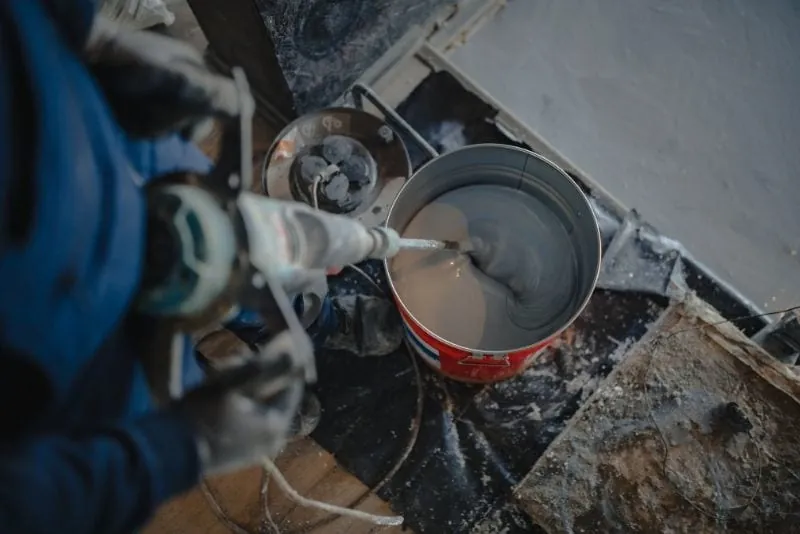
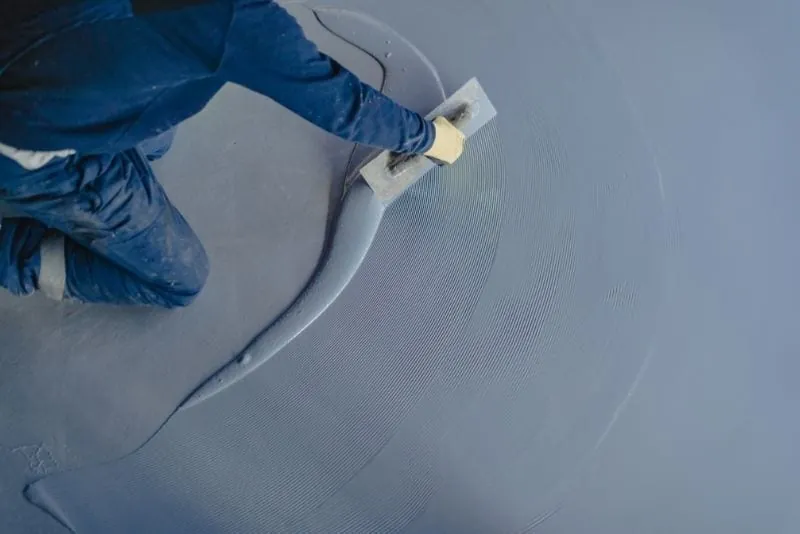
Each coating product has a data sheet that sets temperature limits. As the temperature drops, the waiting times between steps get longer. In Wollongong, winter minimum temperatures sit near the minimums listed for some products. This can affect when a recoat is scheduled and how long it takes to cure.
Humidity and dew point are checked on the day of the job, because they can affect how well the new coat bonds and how it finishes. Low temperatures and high humidity can lead to blooming or blushing, which affects the look of the surface. Average humidity in Wollongong sits near the limits of some products.
As an example, data sheets for some Sikafloor products list limits such as:
- a minimum temperature of +10°C
- relative humidity between 30% and 75%
- a surface temperature at least 3°C above the dew point
- 24 hours of protection from damp at +20°C
These limits are specific to each product. They are examples, not rules for every coating.
Rain and wet days also matter. A newly applied coat may need protection from damp and water while it cures. This is most important for exposed areas and for garages where the doors are left open.
When can you use your floor again? Timing varies with the conditions on the day and the product used. We will talk through the expected timing for your floor before the work starts.
A UV-Stable Topcoat Can Help Where Colour and Gloss Retention Matter
Has your epoxy floor discoloured over time? UV exposure can cause chalking and changes to the colour and gloss of epoxy.
Where colour and gloss retention matter, epoxies are typically topcoated with a more weatherable coating, such as an aliphatic polyurethane.
Choosing a topcoat is part of the recoat decision. The right choice depends on how much UV exposure your floor gets and what matters most to you in the finish.
Frequently Asked Questions
How do I know when my epoxy floor is due for a recoat?
Look for visible wear, dulling, fading or discolouration on a coating that is still firmly bonded. These signs suggest the floor may be a candidate for a recoat. If you see peeling or blistering, that points to a failed coating. In that case, the floor should be assessed for removal rather than recoated.
What happens if epoxy is recoated without sanding?
Recoating past the recoat window without abrading the surface is listed as a cause of delamination between coats. This is why sanding is part of the preparation process described above.
Why is my epoxy floor still tacky, and can it be recoated?
A tacky floor points to a cure problem. New material should never be applied over uncured material. The floor needs to be assessed first. The failed material is then removed and the cure problem corrected before any new coat goes on.
What affects the cost of recoating an epoxy floor?
Several things affect the cost of a recoat:
- the size of the floor
- the condition of the existing coating
- the preparation method needed
- the type of coating already on the floor
- any repairs required
- your choice of topcoat
- scheduling around weather conditions
Is it safe to recoat an epoxy floor yourself?
Uncured epoxy resin is classified as a skin sensitiser, so it needs careful handling. Preparation and condition checks also affect whether the new coat bonds to the old one. Skipping these steps can mean the recoat does not hold.