
Residential & Commercial Epoxy Specialists
Old Epoxy Floor Removal in Wollongong: Stripping Failed Coatings Back to Bare Concrete
- Illawarra-Wide Coverage
- Fast, Free Quotes
Get a Free Quote
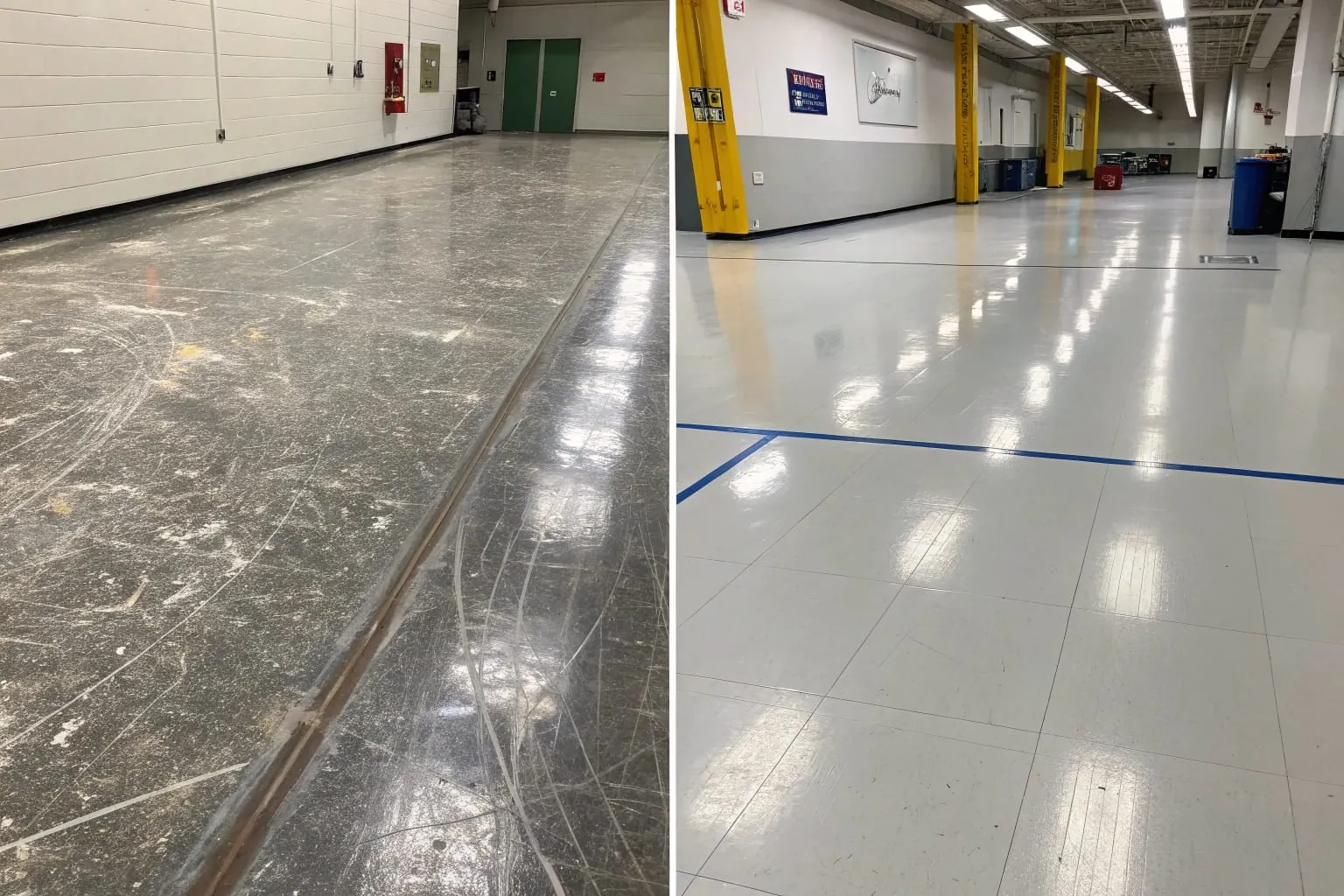
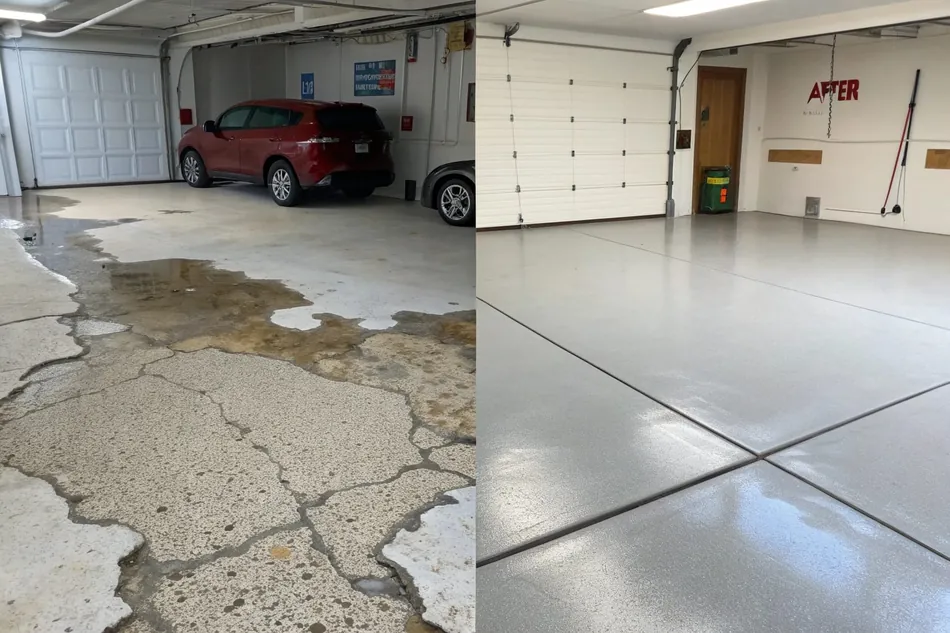
We offer old epoxy floor removal in Wollongong for homes and commercial floors. The most common reason for removal is an aged or failing coating that is peeling, lifting or blistering. Sometimes the coating is still sound, but the floor is being prepared for a new finish.
This page explains how old epoxy is removed and how the right method is chosen. It also covers how dust is controlled under NSW rules and what your concrete is like once the coating is off.
Old epoxy floor removal is part of our floor refinishing services.
If your floor needs a closer look, contact us to arrange an assessment or quote.
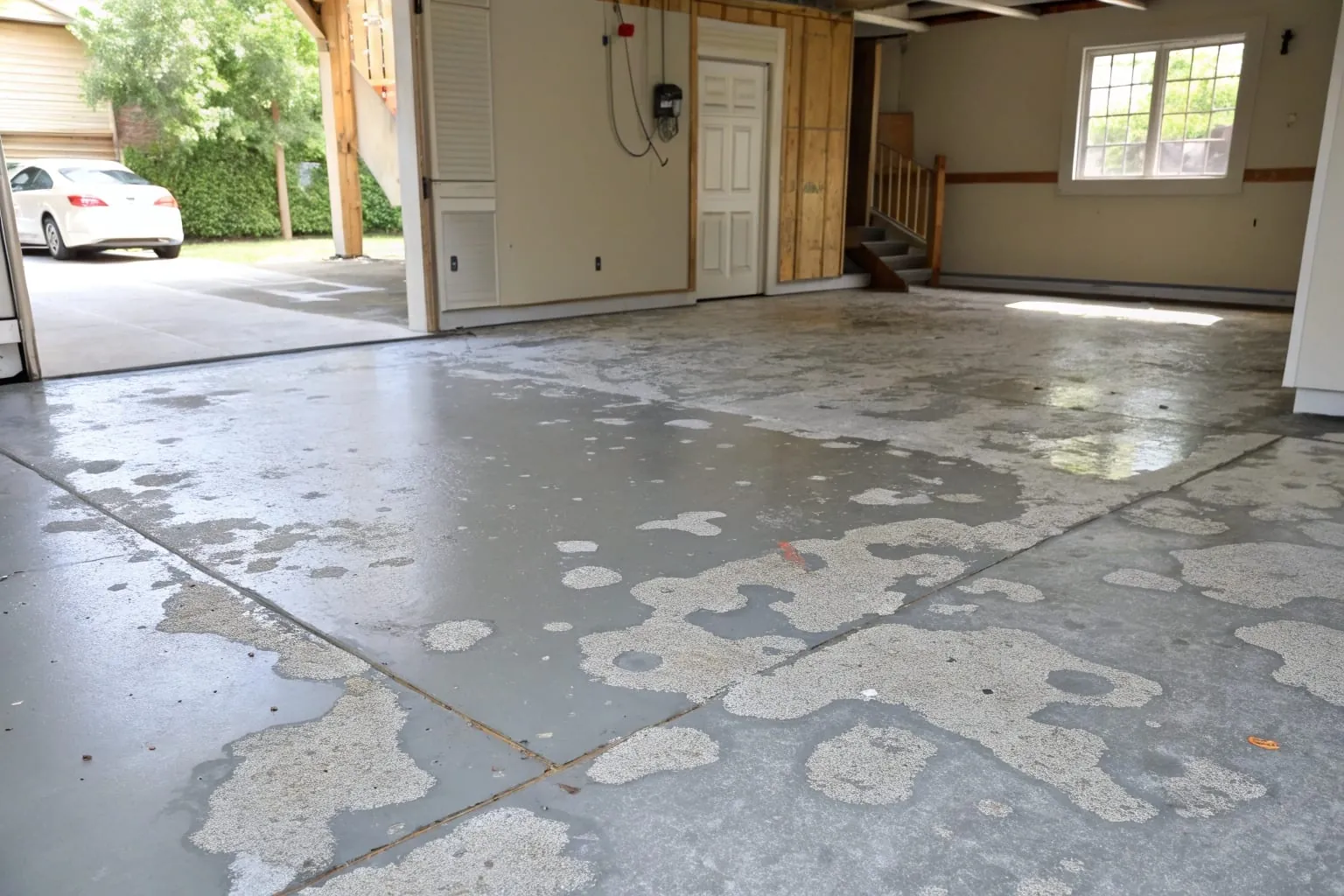
Signs an Old Epoxy Floor May Need to Come Off
Not every worn floor needs stripping. But some signs point clearly to a coating that is no longer holding on.
The main signs are:
- Peeling: the coating curls or flakes away from the concrete.
- Lifting: sections come loose and sit above the slab.
- Blistering: bubbles or raised spots form under the surface.
- Delamination: the coating separates from the concrete in layers or sheets.
When a coating fails like this, the cause is often moisture vapour moving up through the slab, poor preparation when the floor was first coated, or contamination that went unnoticed at the time. Once the bond has broken down, the loose coating has to come off before anything new can go down.
A failing coating is not the only reason to remove old epoxy. You may want a new coating or a different finish. Or the space may be changing use, such as a garage becoming a workshop or a shop being refitted.
Why Cured Floor Epoxy Is Removed Mechanically, Not With Solvents
Many people ask whether a chemical can dissolve an old epoxy floor. For cured floor epoxy, the answer is no.
Once epoxy cures, it becomes a thermoset. This means it forms a permanent cross-linked structure that does not melt or dissolve back into a liquid.
Common solvents such as acetone or isopropyl alcohol may soften the surface or cause slight swelling. But they won't break down the bonds in cured epoxy.
Epoxy also bonds chemically to concrete. It does not just sit on top of the slab. That is why removal takes the right tools, preparation and technique, and why the coating is taken off mechanically rather than with solvents.
Grinding, Shot Blasting or Scarifying: Matching the Method to the Coating
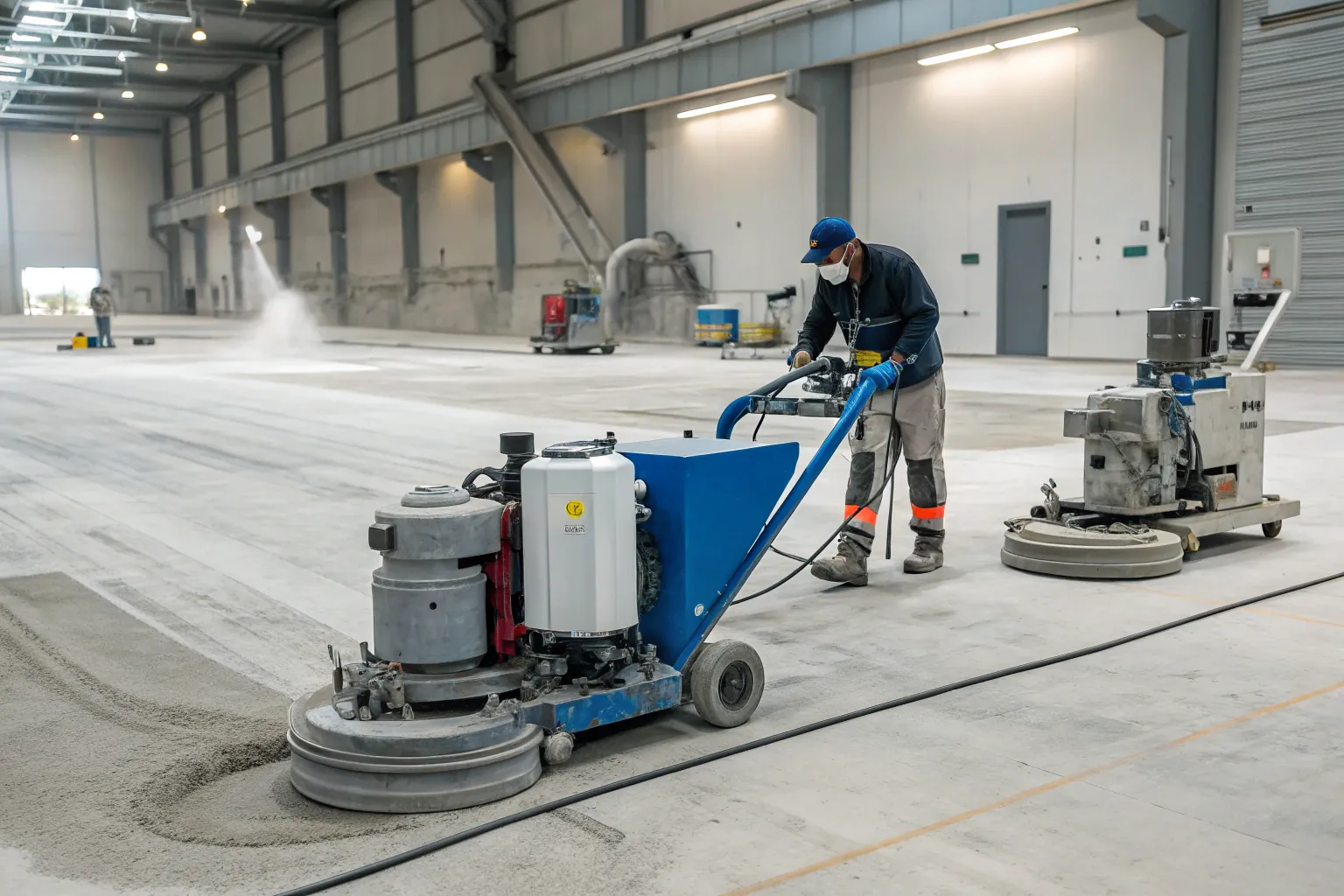
There are three main ways to remove old epoxy from concrete. The right one depends on how thick the coating is and what type of system it is.
Diamond grinding uses diamond tooling to strip the coating away. It also leaves the concrete with a surface profile, which gives the next coating something to grip.
Shot blasting suits open floor areas. The machine fires small steel shot at the surface to break up the coating. The abrasive is recycled as it works, and the dust is separated out by a collector.
Scarifying uses rotating cutters to chip away at tougher, flexible coatings.
As a general guide, thinner coatings can usually be shot blasted. Thicker systems may need heavy planetary grinders. Elastomeric membranes, which are rubbery and flexible, may need scarifying.
Large machines can't reach right into edges and corners, so detailing these areas is part of the job. Any glossy or slick spots left behind must also be removed before recoating, because a new coating won't bond to them.
How do you remove an old epoxy floor? The process generally follows these steps:
- Choose a mechanical method. Solvents won't break down cured floor epoxy, so the coating is removed mechanically.
- Match the method to the coating. Its thickness and type guide the choice between shot blasting, diamond grinding, or scarifying for elastomeric systems.
- Control dust during the work. Controls are used to manage silica dust in line with NSW rules.
- Detail edges, corners and glossy spots. Areas the main machine can't reach are worked by hand, and any remaining slick patches are removed.
- Leave the right profile for the next product. The finished surface should suit the new coating, and repairs or a moisture assessment may follow.
Dust-Controlled Epoxy Removal Under NSW Silica Rules
Removing epoxy creates dust, and that dust matters. Concrete can contain up to 90% silica. Because removal abrades the surface of the slab, the work can release crystalline silica dust into the air.
Stronger NSW work health and safety regulations began on 1 September 2024. They apply to materials that contain at least 1% crystalline silica.
Under these rules, controls must eliminate or minimise the risk so far as reasonably practicable. Examples of controls include:
- wet dust suppression
- on-tool extraction
- local exhaust ventilation
- isolating dusty areas
- regular cleaning
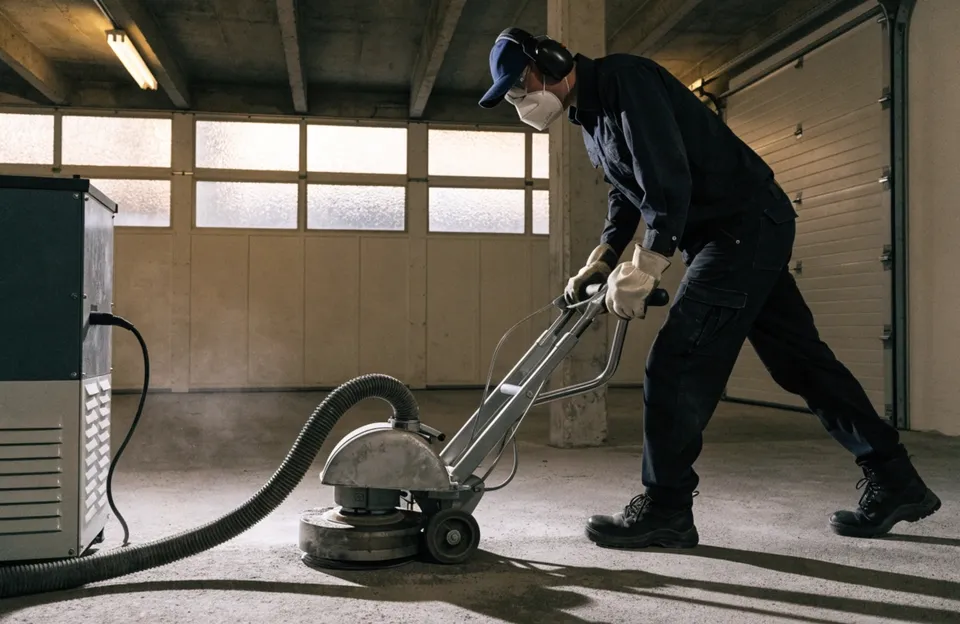
You can read the regulator's guidance on working safely with crystalline silica on the SafeWork NSW website.
For high-risk construction work, a Safe Work Method Statement may be used to set out how the job will be done safely. Workers must also be given masks that comply with Australian Standards, and those masks must be fit tested.
The removed coating and dust become waste. In NSW, the business that generates waste is responsible for classifying it.
What Your Concrete Is Like After Removal and Before Recoating
Once the old epoxy is off, you are left with bare, profiled concrete. The surface will feel rougher than before. This is intentional. The abrasion opens up the concrete so the next coating has something to grip.
How rough the surface needs to be depends on the product going down next. Coating manufacturers specify the concrete surface profile, or CSP, that their product needs. Many refer to a guideline from the International Concrete Repair Institute (ICRI), which rates profiles on a scale from 1 to 10. This ICRI guideline is voluntary, so the manufacturer's requirement is what counts.
Stripping the coating can also reveal what was hiding underneath. Crack and patch repairs may be needed before the floor is recoated. These repairs are a separate task from the removal itself.
Moisture is worth checking too. Moisture vapour moving up through the slab causes most adhesion problems with floor coatings. Checking moisture levels before recoating helps avoid the same failure happening again.
Installing the new coating is a separate service that follows removal.
Replacing Failed Epoxy in Wollongong Food Premises and Commercial Spaces
For food businesses, the condition of the floor is about more than looks. Wollongong City Council's guide for food businesses says floors should be:
- easy to clean
- non-absorbent
- free from cracks and crevices
- unable to harbour pests
The guide lists epoxy resin among its recommended floor finishes.
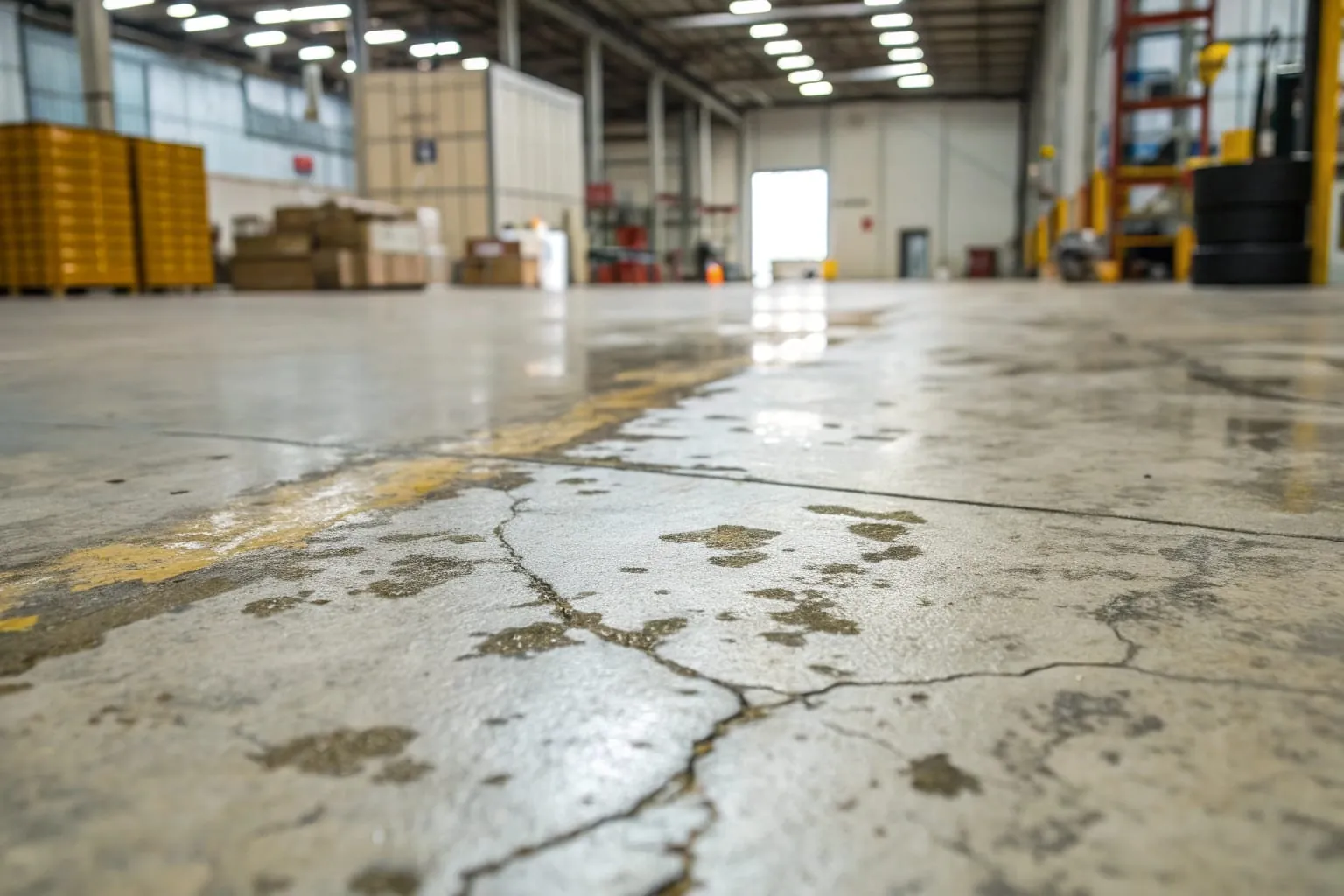
A cracked or failed epoxy floor does not meet those outcomes. Peeling edges, lifted sections and open cracks can trap food waste and moisture, and they are hard to keep clean. Removing the failed coating is the first step towards putting down a new floor finish.
If the floor work is part of a wider refit, keep in mind that the council notes plans must be lodged with Council before building or renovation work starts.
Frequently Asked Questions
Are epoxy floors hard to remove?
They can be. Cured epoxy is a thermoset, which means it forms a permanent structure that won't dissolve. It also bonds chemically to the concrete underneath. Because of this, removal typically uses specialised equipment such as grinders, shot blasters or scarifiers rather than hand tools or chemicals.
Can new epoxy go over an old epoxy floor instead of removing it?
Sometimes, but it depends on the condition of the floor. New epoxy won't bond to glossy or slick spots, so the old surface still needs proper preparation. If the existing coating is failing, such as peeling, lifting or blistering, that is the main reason to remove it first. A new layer over a failing coating can only hold as well as the coating beneath it.
Can an epoxy floor be redone after the old coating is removed?
Yes. Removing the old coating is what prepares the floor for a new one. The next product dictates the surface profile the concrete needs, and a moisture assessment may be advisable before recoating. Installing the new coating is a separate service from removal.
Will removing epoxy damage my concrete?
Removal intentionally abrades the surface of the concrete. This creates a rough profile that helps the next coating grip. Taking the old coating off can also expose existing issues in the slab, and crack or patch repairs may be needed afterwards. The condition of every slab is different, so this is best checked once the coating is off.
What affects the cost of removing an epoxy floor?
Several things affect the cost, including:
- the size of the floor and how easy it is to access, including edge work
- the thickness and type of the coating
- any repairs the slab needs
- the dust controls required
- how the waste is handled
- the surface profile the next finish needs
Contact us to arrange an assessment or quote for your floor.