
Residential & Commercial Epoxy Specialists
Medical Facility Epoxy Flooring in Wollongong, NSW
- Illawarra-Wide Coverage
- Fast, Free Quotes
Get a Free Quote
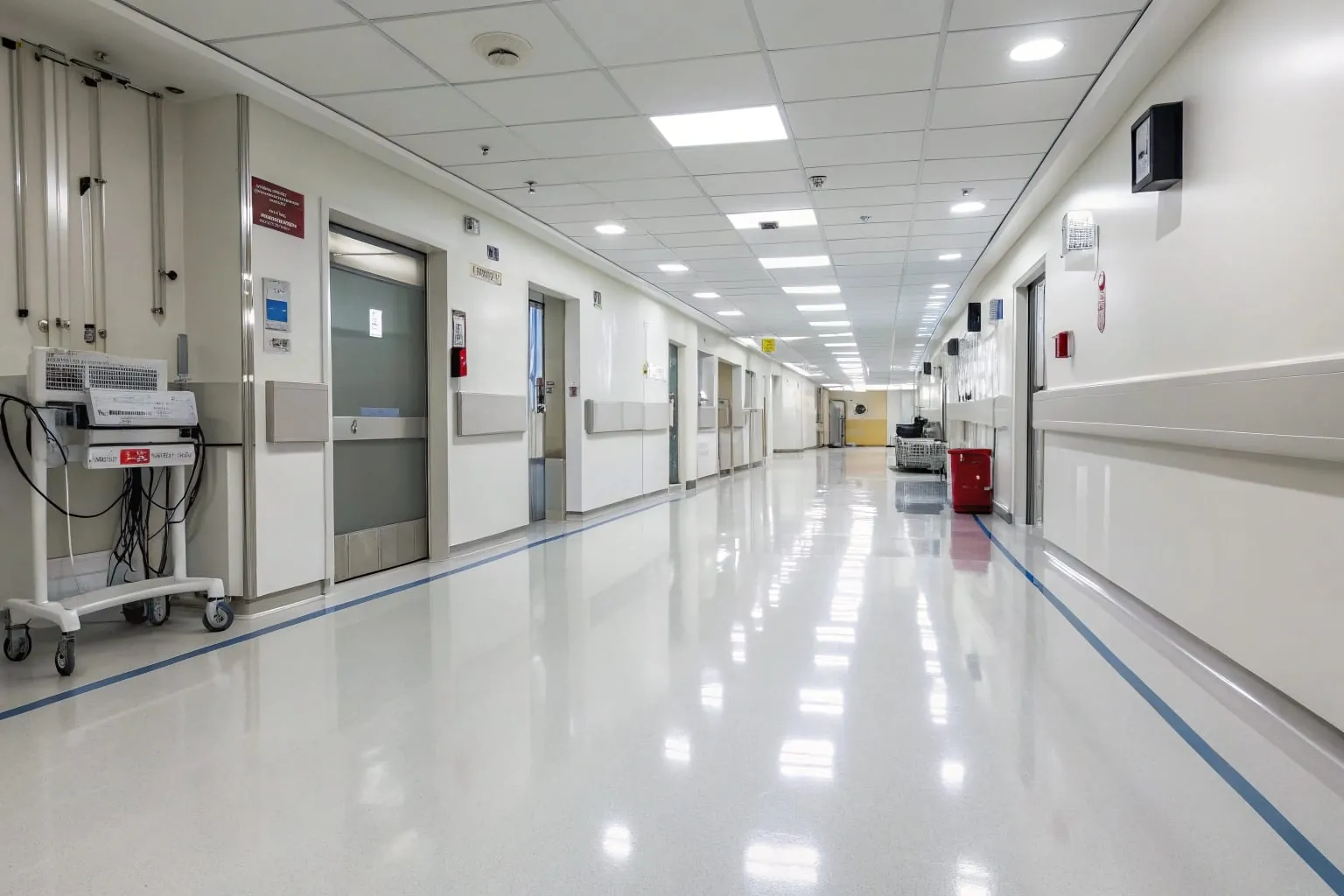
Wollongong medical and clinical premises need flooring that stands up to daily cleaning, foot traffic and strict hygiene expectations. Whether you're fitting out a new clinic or replacing worn, non-compliant flooring, epoxy is a common choice for patient care areas. This page covers why epoxy suits clinical spaces, what installation involves and what you can expect. Get in touch to discuss your clinic's flooring needs. Medical facility epoxy flooring is one of the flooring services we provide across Wollongong.
Seamless, Impermeable Flooring Is Specified for Patient Care Areas
Patient-contact areas call for smooth, impermeable, seamless surfaces rather than carpet. This applies to GP clinics, day surgeries, dental surgeries, and treatment and diagnostic rooms.
A seamless coating reduces the joints and gaps that can otherwise harbour dirt, moisture or bacteria. That's a key reason epoxy is a common flooring choice in clinical settings across Wollongong.
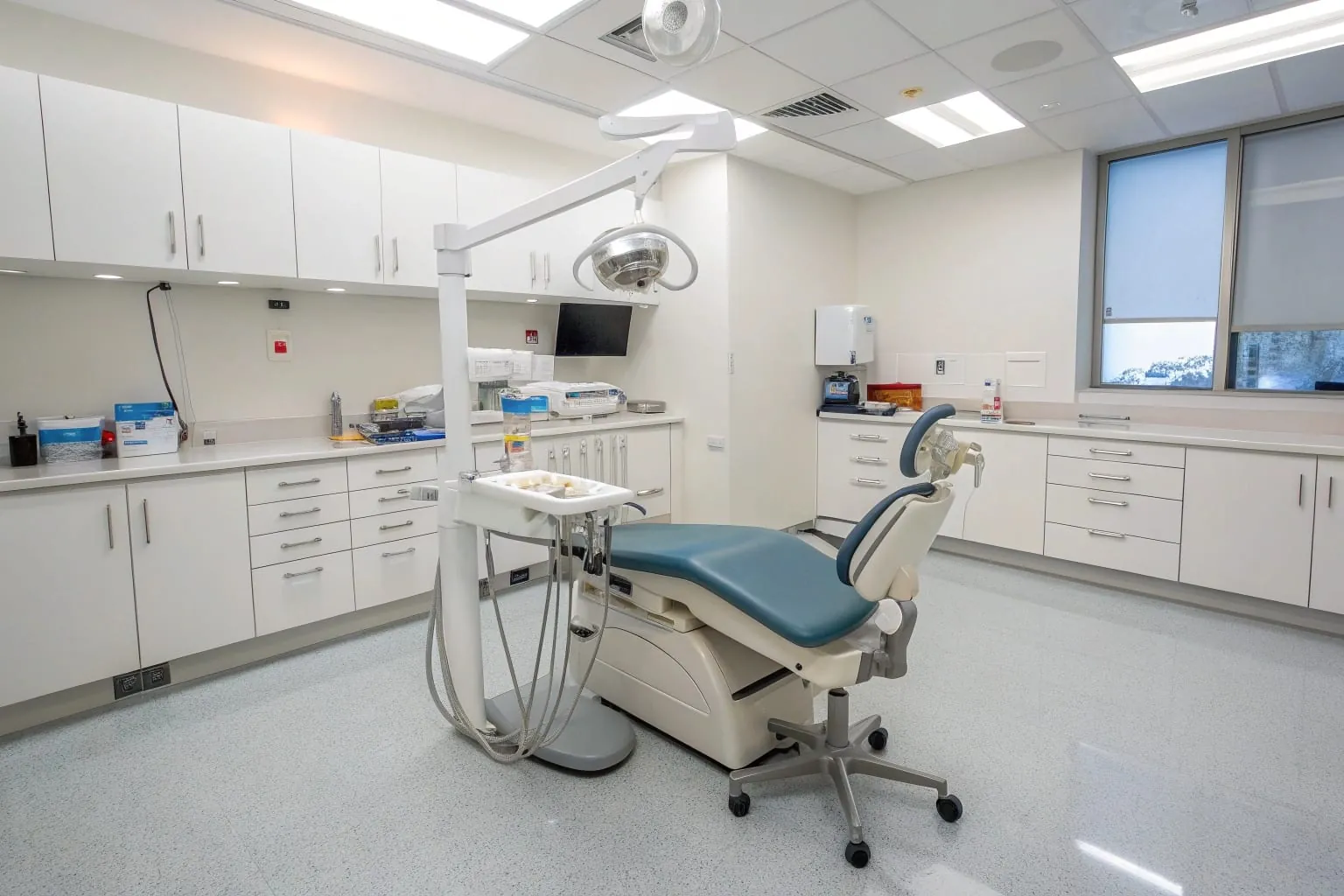
Slip Resistance and Chemical Resistance for Clinical Environments
Wet and clinical zones benefit from classified slip resistance under the AS 4586 P-rating system. Sterilising and wet-cleaning areas should have smooth, non-slip, disinfectant-tolerant surfaces.
Where wet or high-traffic conditions apply, texture or broadcast finishes can be specified to help manage this.
Coved Skirting and Gap-Free Detailing at Wall Junctions
Skirtings and wall-to-floor joins in patient care areas should be coved, integral and void-free. This detailing helps eliminate gaps that can harbour dust, germs, mould or vermin.
It's relevant in kitchens, clean and dirty utility rooms, and wet-cleaning areas. You can read more about this requirement in the Australasian Health Facility Guidelines, Part D.
Epoxy Compared to Vinyl and Tile for Medical Premises
Epoxy offers a seamless finish that's compatible with coved skirting detail. Tile and grout lines, by contrast, create joints that clinical guidelines discourage in patient care areas.
Vinyl is also a recognised seamless option in some settings, but it's a different material and a separate service. Cost for an epoxy floor depends on factors like the area involved, the condition of the substrate, the system build, and the level of detailing required.
Installation Process and Minimising Disruption to a Working Clinic
Installing an epoxy floor generally involves substrate preparation and moisture testing, followed by a base coat, then a topcoat or sealer, with coving detail added at the wall junctions.
Staged work or after-hours scheduling can help reduce the impact on a working clinic. Wollongong's humid, higher-rainfall coastal climate makes correct moisture and condition control genuinely relevant to getting a reliable result.
How Medical Clinic Epoxy Flooring Differs from Pharmaceutical Cleanroom Flooring
Standard medical clinic flooring differs from full pharmaceutical cleanroom flooring. Cleanroom work sits under AS/NZS ISO 14644 and TGA GMP requirements, which form a distinct and more stringent tier.
This page's scope covers clinic and practice-level fit-outs, not cleanroom certification work.
FAQs
Why is epoxy flooring commonly used in medical clinics rather than carpet or tile?
Patient care areas call for seamless, impermeable, joint-free surfaces. Carpet and grouted tile both create gaps or joints that can harbour dirt or bacteria, which is why epoxy is a common choice in these spaces.
Does epoxy flooring meet Australian healthcare facility hygiene guidelines?
Epoxy systems can be specified to align with surface requirements set out in the Australasian Health Facility Guidelines, including seamless, impermeable and coved detailing.
What slip-resistance rating should a clinic floor have?
Slip resistance is classified under AS 4586. Wet or clinical zones should be assessed against this classification to determine an appropriate rating for the space.
How disruptive is an epoxy floor installation for a working clinic?
Installation generally involves substrate preparation, a base coat and a topcoat, with coving detail added at the walls. Staged or after-hours work can help manage disruption during the process.
Is medical clinic epoxy flooring the same as pharmaceutical cleanroom flooring?
No. Cleanroom and GMP flooring is a separate, more regulated service tier and isn't covered by this page.
What happens at wall and skirting junctions in a clinical epoxy floor?
Wall and floor junctions are detailed with coved, void-free skirting. This helps prevent gaps where dust, germs, mould or vermin could otherwise collect.